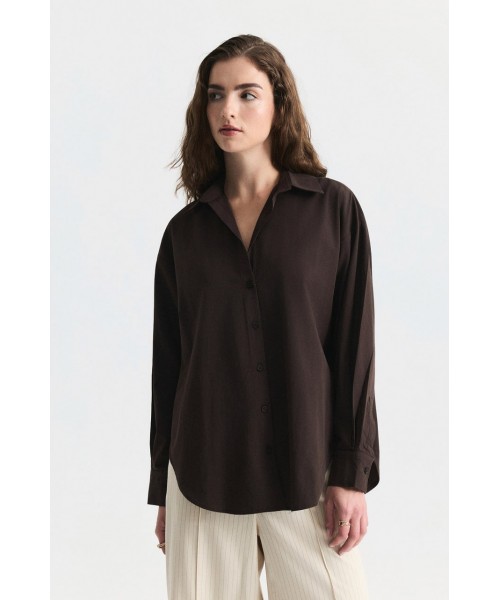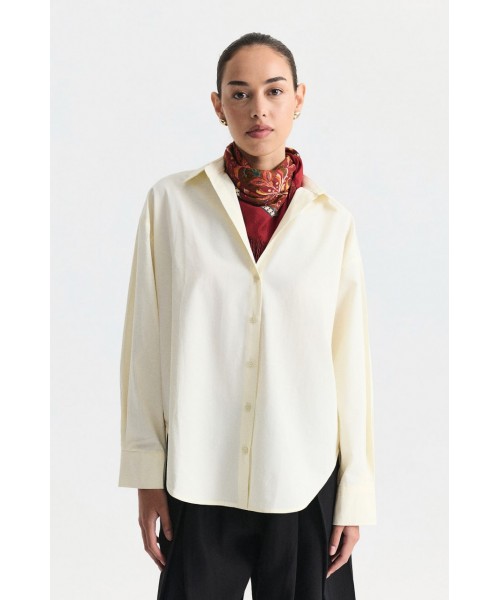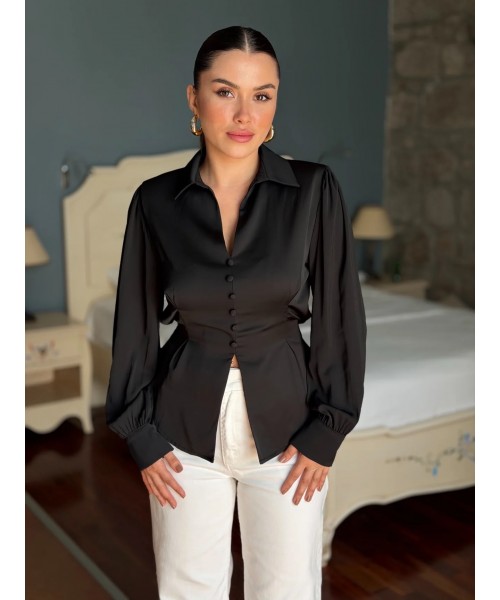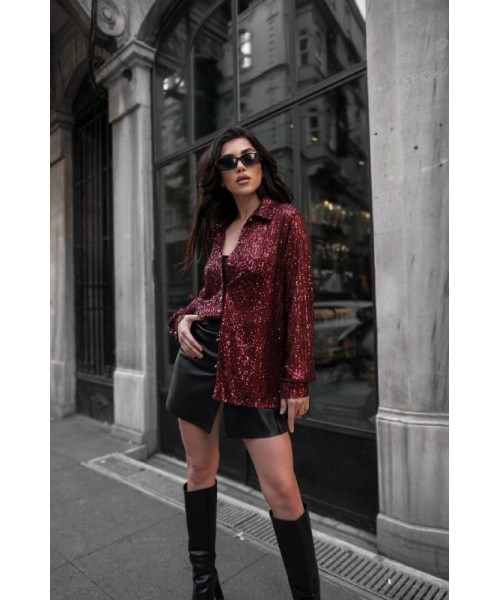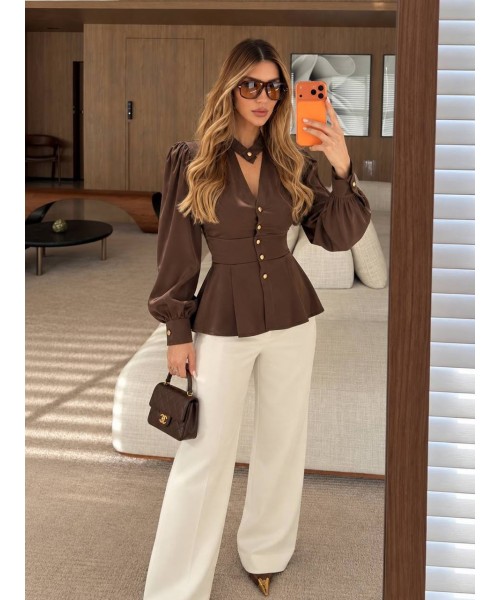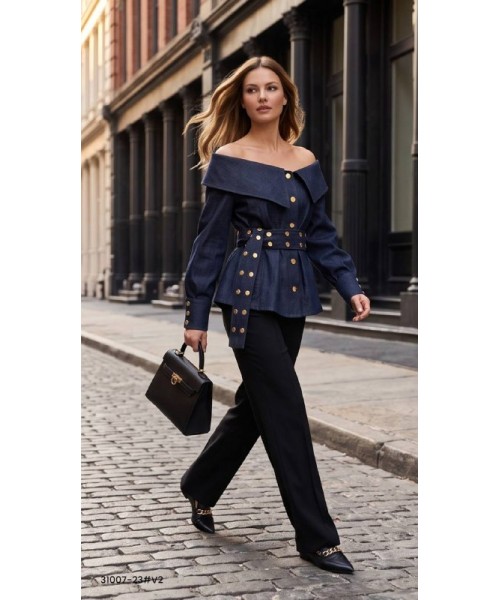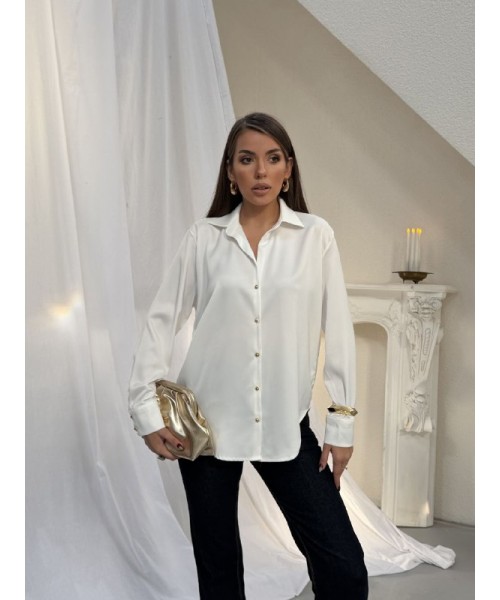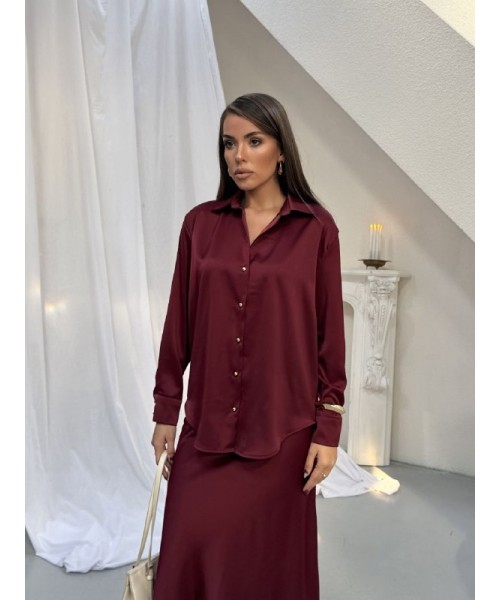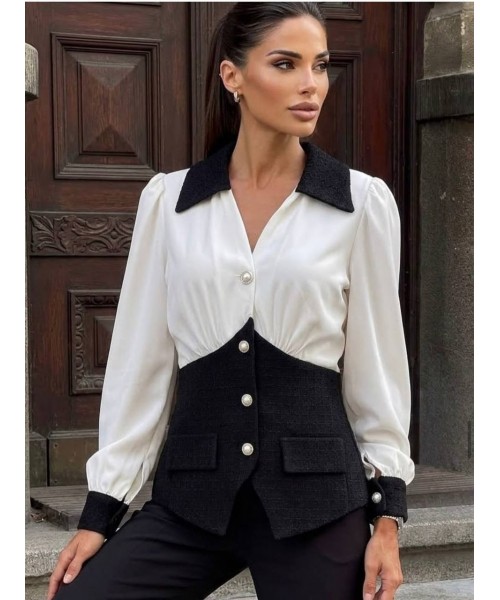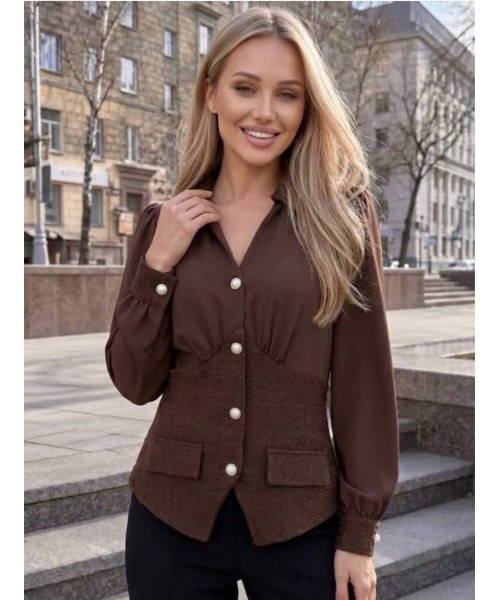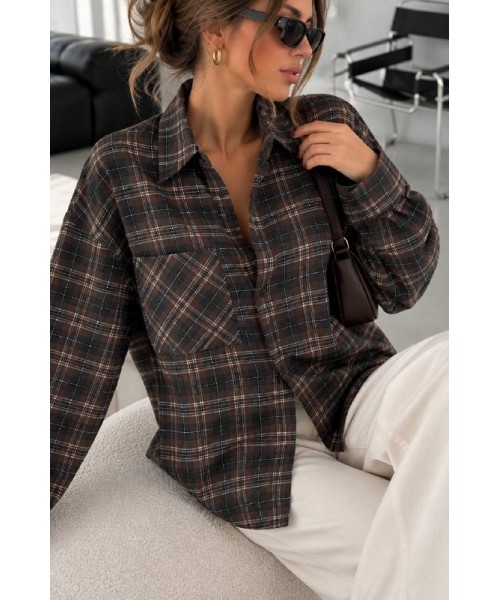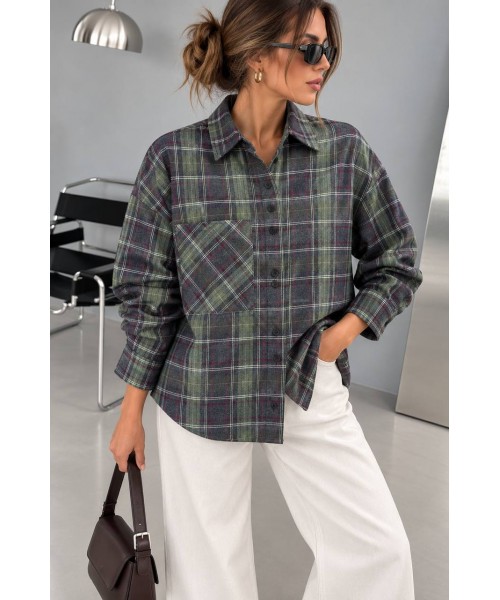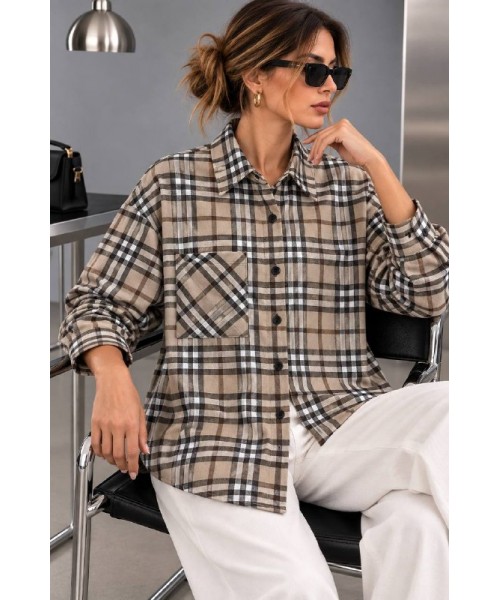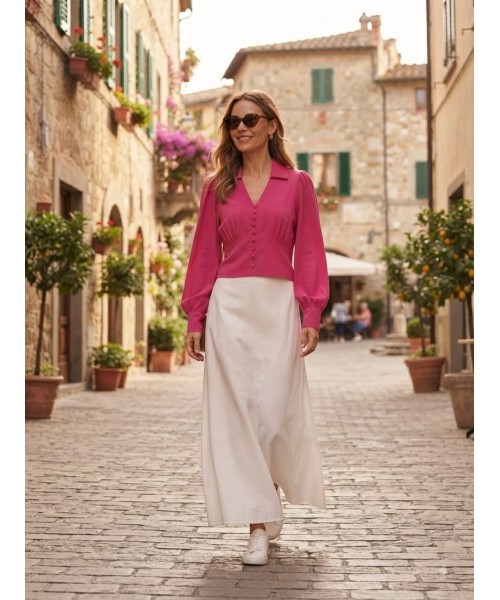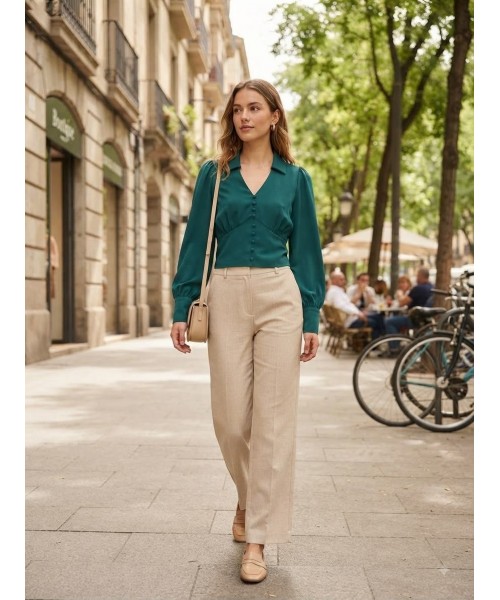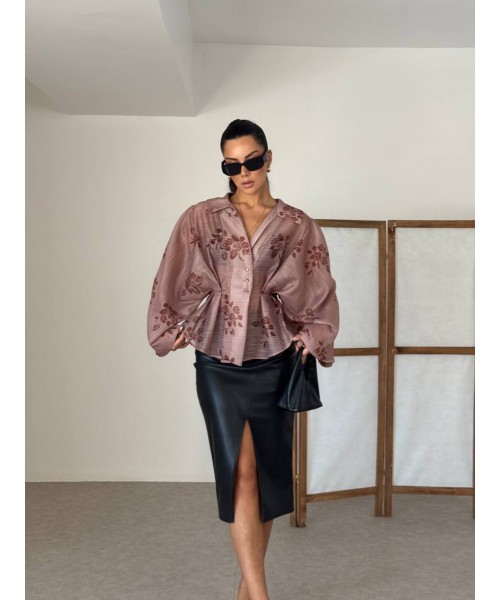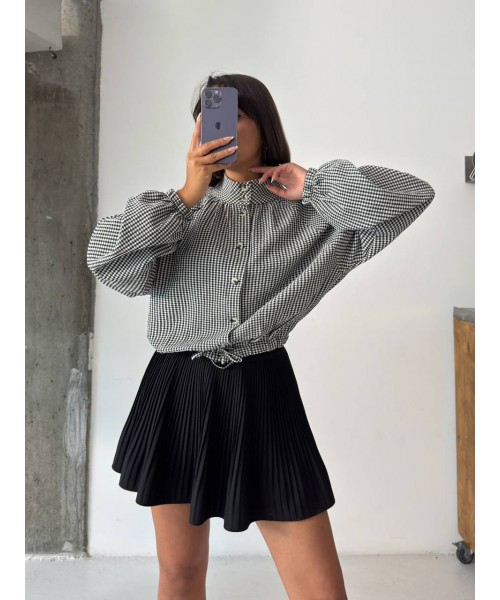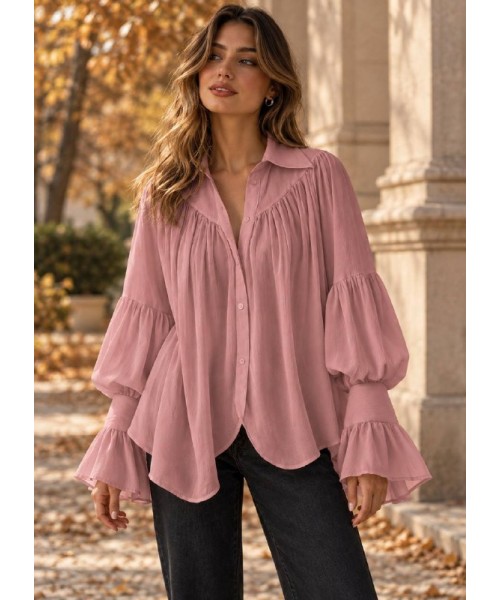

Shirts generally use a more structured collar and button-front construction, while blouses allow a wider range of necklines, sleeves and draped shapes. The product page shows the exact design.
WHOLESALE SHIRT MODELS
EXPORTING FASHION FROM TURKEY TO THE WORLD SINCE 1975
WOMEN'S WHOLESALE SHIRTS - MANUFACTURER SUPPLY
Wholesale Women's Shirts from Turkey | Boutique Supply
EY-TAY supplies wholesale women's shirts to boutiques, fashion stores and online retailers through a live-stock and assorted-pack model. Product pages present the current code, wholesale price, size pack and available details for each shirt, giving international buyers a practical basis for range planning.
Product-Level DetailFit, model code, price and published features are assessed separately for each shirt.
Assorted PacksThe SET field shows the included sizes and complete quantity of the selected pack.
Coordinated RangesShirts can be merchandised with trousers, jeans and jackets from related categories.
Export CoordinationFreight and eligible documents are planned for the order type and destination.
Wholesale Women's Shirts for Professional Buyers
Women's shirts can serve office, casual and contemporary retail segments, but the category contains different collars, sleeves, closures, lengths and silhouettes. EY-TAY lists active styles as individual product cards so buyers can work with a specific code, live price and size pack instead of assuming that every shirt follows one standard specification.
Classic, oversized, long or cropped wording should be used only when it appears in the relevant product information. The title, description and images together provide the most reliable view of the current design.
Planning a Commercial Shirt Assortment
A balanced range may combine easy-to-style core colours with seasonal shapes, prints or construction details. The appropriate mix depends on the retailer's customer profile, climate and existing bottoms. Because the live collection changes as products enter or leave stock, professional buyers should confirm the current selection on the category page rather than rely on a permanent catalogue list.
Checking Fabric, Fit and Construction
Cotton, poplin, viscose or blend descriptions apply only when published for the individual model. Images can show surface appearance, yet they cannot confirm fibre percentages, stretch, weight or transparency. Collar, cuff, pocket, belt and button details should also be reviewed through all available images and written product information before ordering.
Size Packs, Prices and Colour Stock
Size distribution may vary between shirt models. The SET area identifies which sizes and how many pieces enter the cart, while the product card provides the active price and model code. Colour variants may be listed separately and can have different stock or pack structures. Reviewing each card independently helps the buyer calculate the actual pack investment.
Merchandising Shirts Across the Collection
Retailers can pair shirts with wholesale trousers or wholesale jeans. For tailored outfits, browse wholesale jackets; for a softer upper-garment alternative, compare wholesale blouses. Recently listed products appear on the new arrivals page.
Order Preparation, Shipping and Private Label
Final quantities are checked by model code while the order is prepared. Freight is calculated after packing from the carton details, actual weight, destination and service. DHL, FedEx, Aramex or the buyer's nominated agent may be used. Commercial invoice, packing list, A.TR or EUR.1 support is assessed for eligible shipments and does not guarantee tax exemption in every country. Current own-brand conditions are explained on the private label clothing page.
Commercial Checks Before Ordering Wholesale Shirts
Before ordering, compare the shirt lengths, collar preferences and size demand of your customers with the active products. Record the code, colour card, SET field and complete pack total for every selected style. If fabric or fit information is missing, request confirmation using the model code. Similar-looking colour cards may carry separate stock and prices. This short buying record reduces colour assumptions, helps prevent unsuitable pack selection and gives the retailer a reliable reference when asking whether the same shirt or a related colour is still available.
Collars, Button Plackets, Cuffs and Hem Construction
A women's shirt is shaped by more than its colour. Collar width and structure can move the garment towards office dressing or relaxed styling; the button placket controls the front line; cuffs and sleeve volume affect layering; and a straight, curved or longer back hem changes whether customers are likely to wear the shirt tucked in or loose. These features are not standard across the category. Buyers should review the front, side and back images rather than make a decision from the first photograph alone.
Pockets, belts, decorative buttons, brooches and detachable elements must be treated as included only when the product description and complete image set support that conclusion. Trousers, bags and other garments used to style a photograph are not automatically part of the shirt order. Clear separation between the sold garment and styling items helps a retailer write accurate product descriptions after importing the stock.
Poplin, Viscose and Other Published Fabric Terms
The live collection may include shirts whose product names identify poplin or another fabric. That information belongs to the named model and should not be extended to every shirt in the category. A photograph can show colour, surface and drape, but it cannot prove fibre percentages, stretch, weight, opacity or ironing behaviour. Written product information is the primary reference for these details.
If composition, transparency, lining or seasonal use is commercially important and not stated, the buyer should request confirmation with the model code before completing the order. Care instructions must follow the physical garment label because different fabrics within the same category can require different washing, drying and ironing conditions. This product-level approach avoids making unsupported fabric claims to the final customer.
Fit, Length and Customer Profile
Classic, slim, relaxed and oversized terms describe different relationships between the garment and the body, but not every model carries one of these labels. When fit wording is absent, shoulder position, body width, sleeve shape and total length should be assessed from the images and any available measurements. A standard-size or letter-size label alone does not guarantee the same result for every customer.
Professional buyers should compare the active shirt silhouettes with their own sales history. A store whose customers prefer long layering pieces may require a different mix from a retailer focused on fitted office outfits. Using customer demand rather than a generic trend list reduces the risk of holding unsuitable lengths, volumes or size packs.
Assorted Pack Economics for Wholesale Shirts
The commercial commitment is the complete pack, not only the displayed unit price. Shirt products can use different size distributions and total quantities at the same time. The SET field identifies what enters the cart, so buyers should calculate the full pack cost and compare the included sizes with their normal sales curve. A lower unit price does not necessarily create a better purchase if the pack contains sizes that move slowly in that store.
Colour variants may be published as separate product cards with their own codes, pack totals and stock. Similar names or nearby model numbers can help identify a colour family, but they do not guarantee identical availability or pricing. Recording model code, colour, pack structure and total value creates a reliable purchase sheet for payment, stock confirmation and later enquiries.
Using Model Codes in a Digital B2B Catalogue
A model code is the stable reference connecting the retailer's selection, the product page and the order-preparation process. Saving it is especially important when colours have similar names or when new styles are added frequently. Screenshots without the code can become difficult to identify once the category order changes. A purchase list built around codes allows EY-TAY and the buyer to discuss the same garment without depending on a translated colour name or an old page position.
The live category also helps retailers separate current availability from inspiration. A style visible in an old social post or saved image should not be assumed to remain in stock. The current product card and order confirmation provide the relevant commercial status.
Preparing a Shirt Order for International Retail
International buyers should plan more than freight. They may need local-language fibre information, care symbols, country-of-origin wording, price labels or other retail documentation depending on the destination. These requirements belong to the importing business and should be checked before products are relabelled or dispatched. EY-TAY can assess available commercial documents for the shipment, while the buyer remains responsible for confirming local customs and retail-labelling rules.
Once the order is packed, actual weight, carton details, destination and service determine the transport quotation. An A.TR or EUR.1 document can support an eligible movement of goods but does not by itself promise that every duty, tax or customs charge will disappear. Stating this distinction clearly protects both the wholesale buyer and the final retail communication.
Why Source Wholesale Women's Shirts from EY-TAY?
- Women's clothing manufacturing and wholesale experience since 1975.
- Product-level model codes, prices and assorted pack information.
- Ability to combine different in-stock shirt styles in one order.
- Related trousers, jeans, blouses and jackets for range building.
- International freight and eligible export-document coordination.